Obedience is a blessing to be shown by all, not only to the abbot but also to one another as brothers, since we know that it is by this way of obedience that we go to God.
–Rule of Saint Benedict, Ch. 71
So, after spending approximately one week in a monastery, I know that I am certainly not qualified to make any judgements on it, especially considering that there are men who have spent 50+ years here. However, I have found that being here has given me an interesting view on what community is, and the myriad of ways it can affect a person.
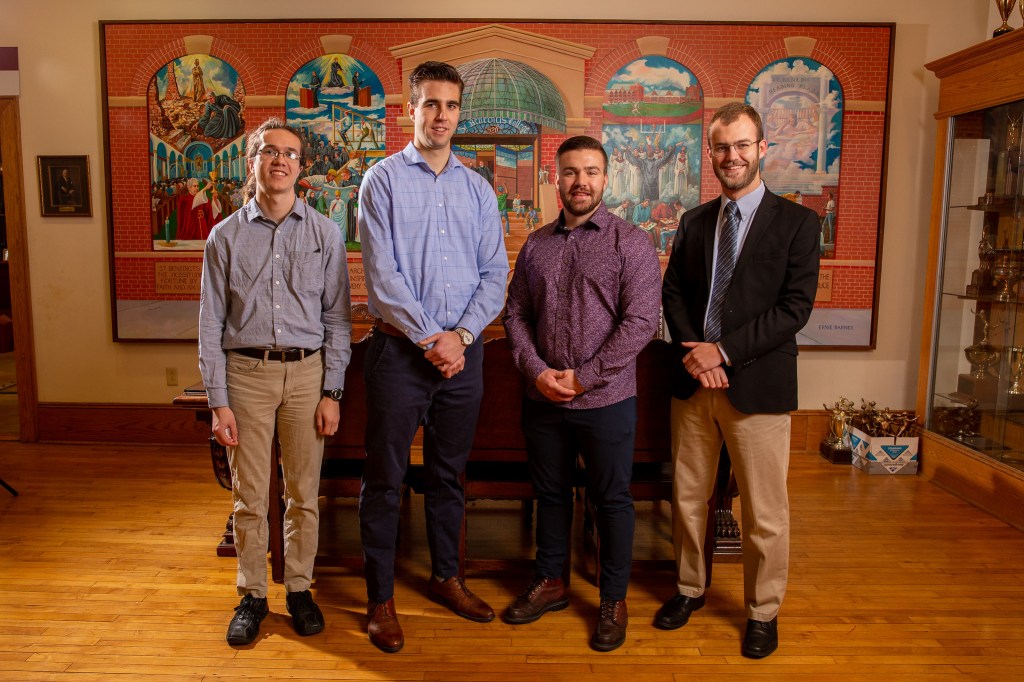
To begin, community living is not meant to be easy. It requires countless small sacrifices and compromises that often test one’s emotional control. This difficulty is compounded by the fact that contact with our communities is often inescapable— they are the people that surround us in our work life, home life, and beyond. Community living is not meant to be easy, and keeping that in mind makes it an exercise in humility, obedience, and compassion– and don’t we all need more of that? (Except for me, of course)
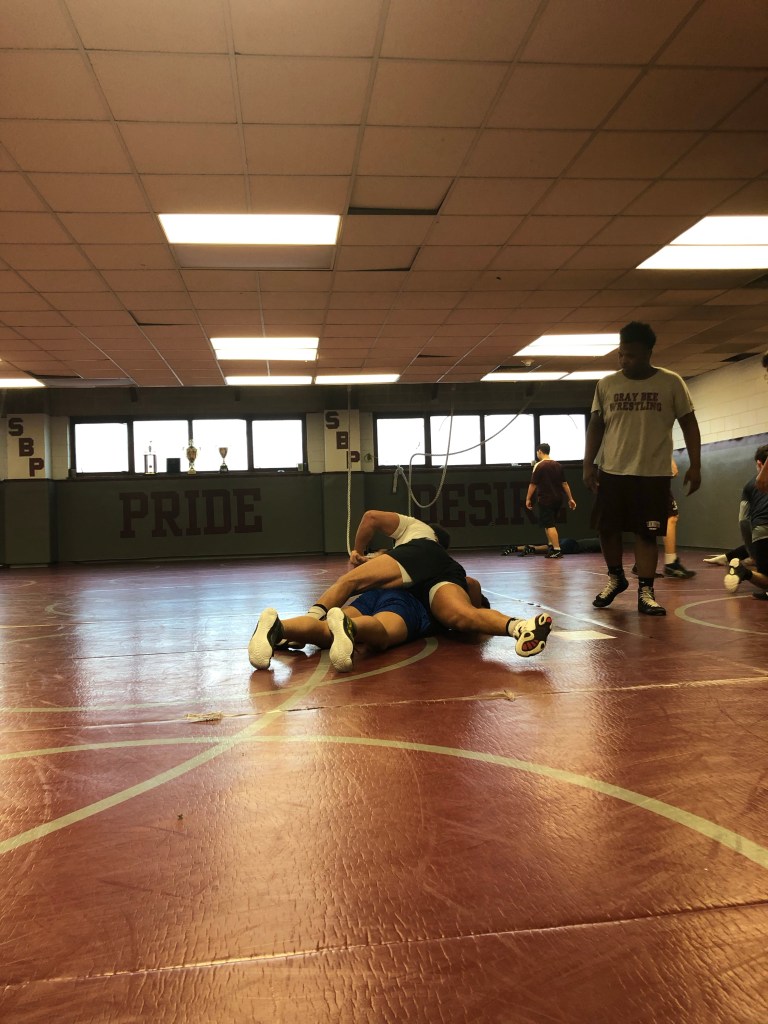
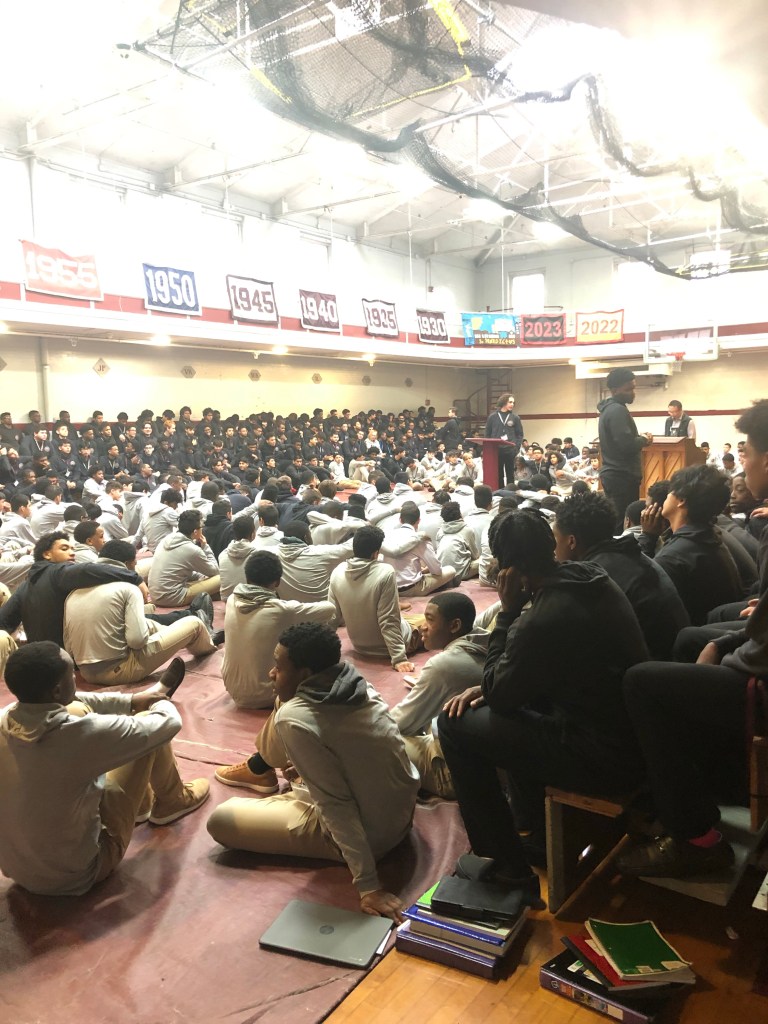
Saint Benedict’s Prep works to provide a strong community to its students, with all of its ups-and-downs. Every morning starts with convocation, where the entire student body gathers for morning attendance, announcements, and group prayer. Convocation is almost entirely led by older students, fostering responsibility and leadership skills among students and their peers. Convocation ends every day with two things, singing (even more impressive considering how difficult it is to get teenage boys to sing), and affirmations– letting the person next to you know that they are loved, essential members of the community. Nobody has asked me to lead the singing yet, but I warm up my vocal cords every morning just in case.
However, entering into a community also means subjecting yourself to rules you may not always want to follow. The school day doesn’t start until every member of the community is accounted for, whether they are sick, at an appointment, or cutting class. Students must keep belongings in their lockers, and they are not allowed to have locks on them– you need to trust your brother to keep your belongings safe. Entering into a community also means exposing your vulnerabilities, which isn’t easy for a group of young men where many have had to watch out for themselves for quite some time now.
I try to take lessons of intentional community with me into my own life. When you’re constantly in contact with the same people, small annoyances can stack up into larger problems. I try to take a step back to reflect on whatever is bothering me– is it intentional? Is it really something that negatively affects me? Is it worth harming my relationship with that person? Can forgiving these offenses make me a more compassionate person? The list goes on. Comparing those smaller annoyances to the larger scheme of the intentional community exposes how small and petty they can be.
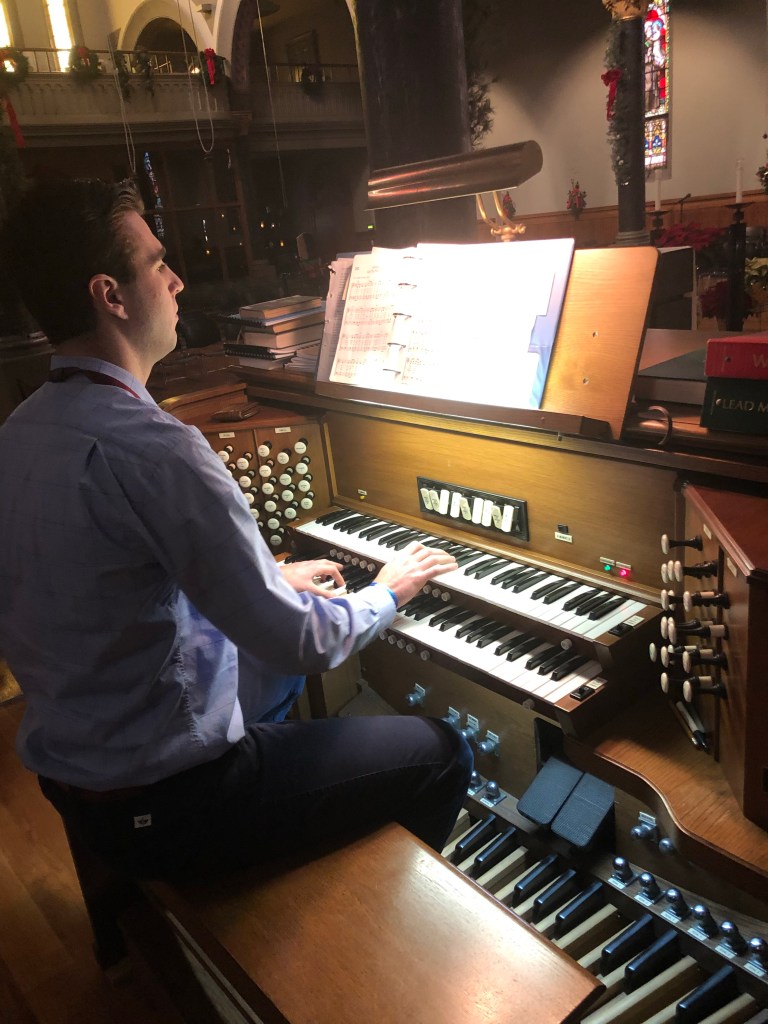
Sometimes that means forcing myself to remember the positives of people to help ignore the negatives. For example, my roommate Gryan Rall (name changed for privacy) loves to share his ability to make beautiful music, so I try to remember him as that rather than the guy who takes up the shower in our small bathroom at the exact moment that I need it. I took a pledge to be a member of this community for these next few months, and that means I need to do my best to make it flourish, even if it comes at a small cost to myself.

When monks take their solemn vows, they are making the ultimate pledge to their community through obedience, stability, and conversatio morum (fidelity to the monastic way of life). They pledge to stay obedient to the monastic way of life in their particular monastery through thick and thin– for the rest of their lives. To me, it’s the ultimate expression of community, where they sacrifice their entire lifes for the glory of God and the betterment of their monastic community and the world as a whole. In addition, their vow of stability means that they pledge to uphold that sacrifice for the rest of their lives, no matter how difficult that gets. As is commonly said, “The purpose of a young monk should be to die an old monk”. Imagine how different the world would be if we treated the world with the same care, dedication, and compassion that monks treat their monastery with?
Update:
Sorry that stuff was heavier than most. I’m still doing just fine here in Newark, and I’ve yet to be stabbed in the neck for drug money.
I made my first two trips to New York, which is a 30-minute train ride that costs $2.75 (free if you hop the rails like most of the locals). I got to see Times Square and Rockefeller Center, and ride the overcrowded subway like a local. I’m trying my best to stop apologizing whenever I bump into someone, and perfect the “don’t talk to me” scowl so I won’t stick out as a Midwesterner so much.

Thank-you all for the kind words of encouragement!
Peace,
Jack Barsody, Perfect Community Member
 The Monastic Intern